Springfield Council Considers Full Ban on Crypto Kiosks
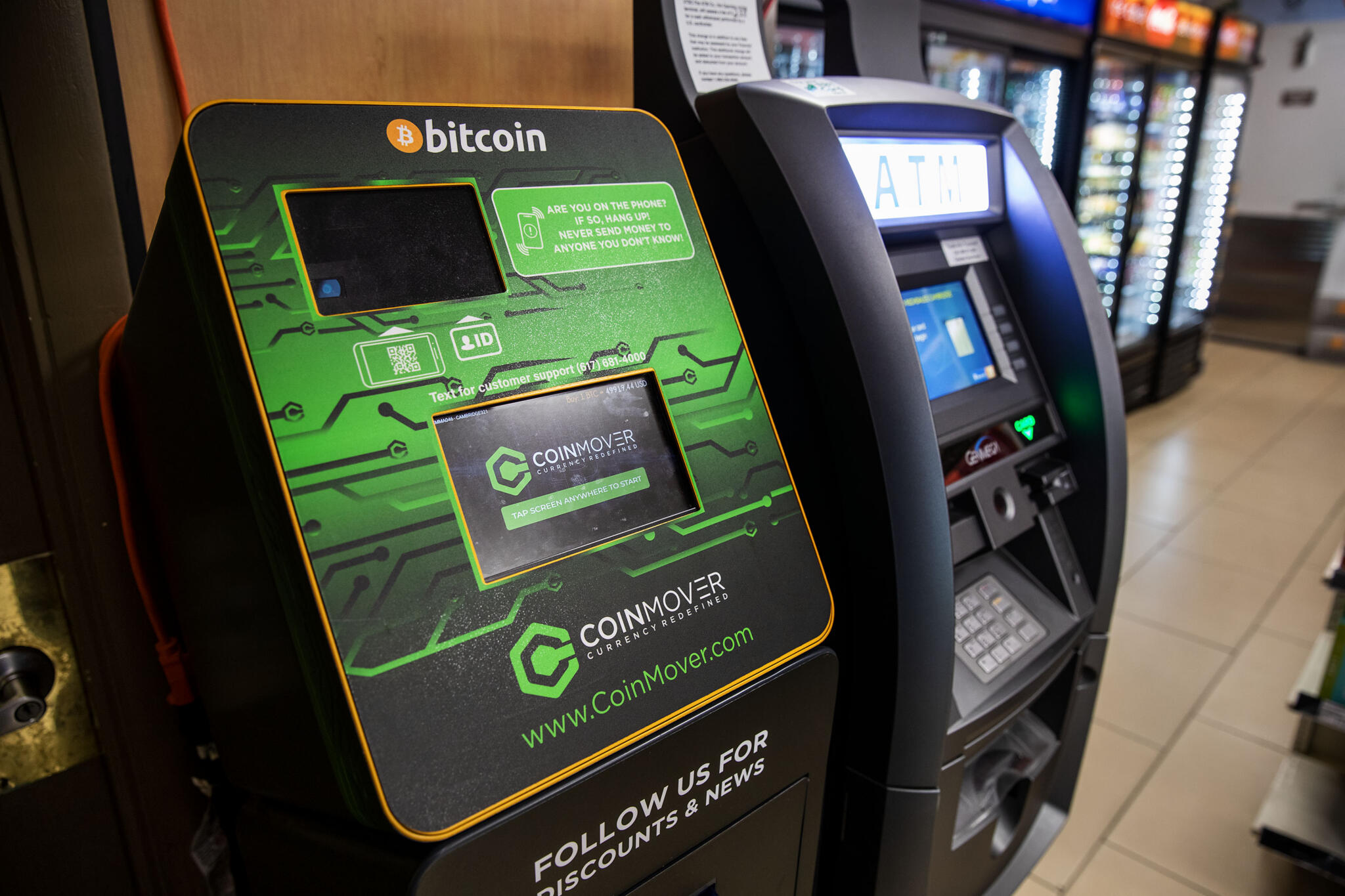
The Springfield City Council will soon decide if they should pass a full ban on cryptocurrency kiosks. This move aims to protect people in the city from falling victim to financial scams. If the vote passes, these machines will no longer be allowed to operate within the city limits.
Why is Springfield banning cryptocurrency kiosks?
City leaders are worried about the rise of fraud and theft involving these digital money machines. Many scammers tell people to go to a local kiosk to send money quickly. Once the cash is fed into the machine, it is very hard for the police to get it back for the victim. By removing the kiosks, the city believes it can cut off a major tool that criminals use to steal from residents.
The council wants to make sure that the most vulnerable people in the community are safe from high-tech crimes. Many of these machines are located in convenience stores where anyone can use them without much help. This ban would be a bold step in local law enforcement. It shows that cities are willing to take direct action to stop cryptocurrency fraud at the street level.
How do cryptocurrency kiosks work for users?
These machines look like standard ATMs but they work with digital assets instead of traditional bank accounts. A person walks up to the machine with physical cash and feeds it into the slot. The machine then sends the equivalent value in digital coins to a specific wallet address. Here are some key facts about how these kiosks are used today:
- Users can buy digital coins with cash in just a few minutes.
- Many kiosks do not require a bank account or a credit card to use.
- Transactions are often fast and cannot be reversed once they are sent.
- Scammers often send victims to these machines to pay fake bills or taxes.
While some people use these machines for honest reasons, the link between cryptocurrency and crime has become a major concern for local police. The ease of use makes them a perfect target for those who want to move money without being tracked easily. Springfield is looking at these risks and deciding if the convenience is worth the danger to its citizens.
What does this ban mean for ordinary people?
If the council votes for the ban, regular users will have to find other ways to buy or sell their digital assets. They might have to use online apps or travel to another city that still allows the machines. For people who do not have a bank account, this could make it much harder to get into the digital market. However, the city thinks the trade-off is necessary to prevent people from losing their life savings to a phone scammer.
Ordinary people often do not realize how dangerous these machines can be until it is too late. Education is one part of the fix, but a total ban is a much stronger way to handle the problem. If the machines are gone, the scammers lose their easiest way to get cash from local victims. Residents will need to stay informed about where they can safely manage their cryptocurrency investments without using a physical kiosk.
What should we watch for in the future?
Other cities might look at Springfield to see if this ban actually works to lower crime rates. If the number of scams goes down, more council members in other parts of the country might try to pass similar laws. This could lead to a wave of new rules for the companies that own and move these machines. We should watch the official vote to see how many council members support this drastic change.
The kiosk industry will likely fight back against these rules to keep their business running. They might argue that a ban hurts people who need these machines for legal reasons. This battle between city safety and business freedom is just beginning in many towns. For now, Springfield is leading the way in trying to stop scams before they happen on their own streets.


Comments
Post a Comment