States and cities move to ban cryptocurrency kiosks as scams mount
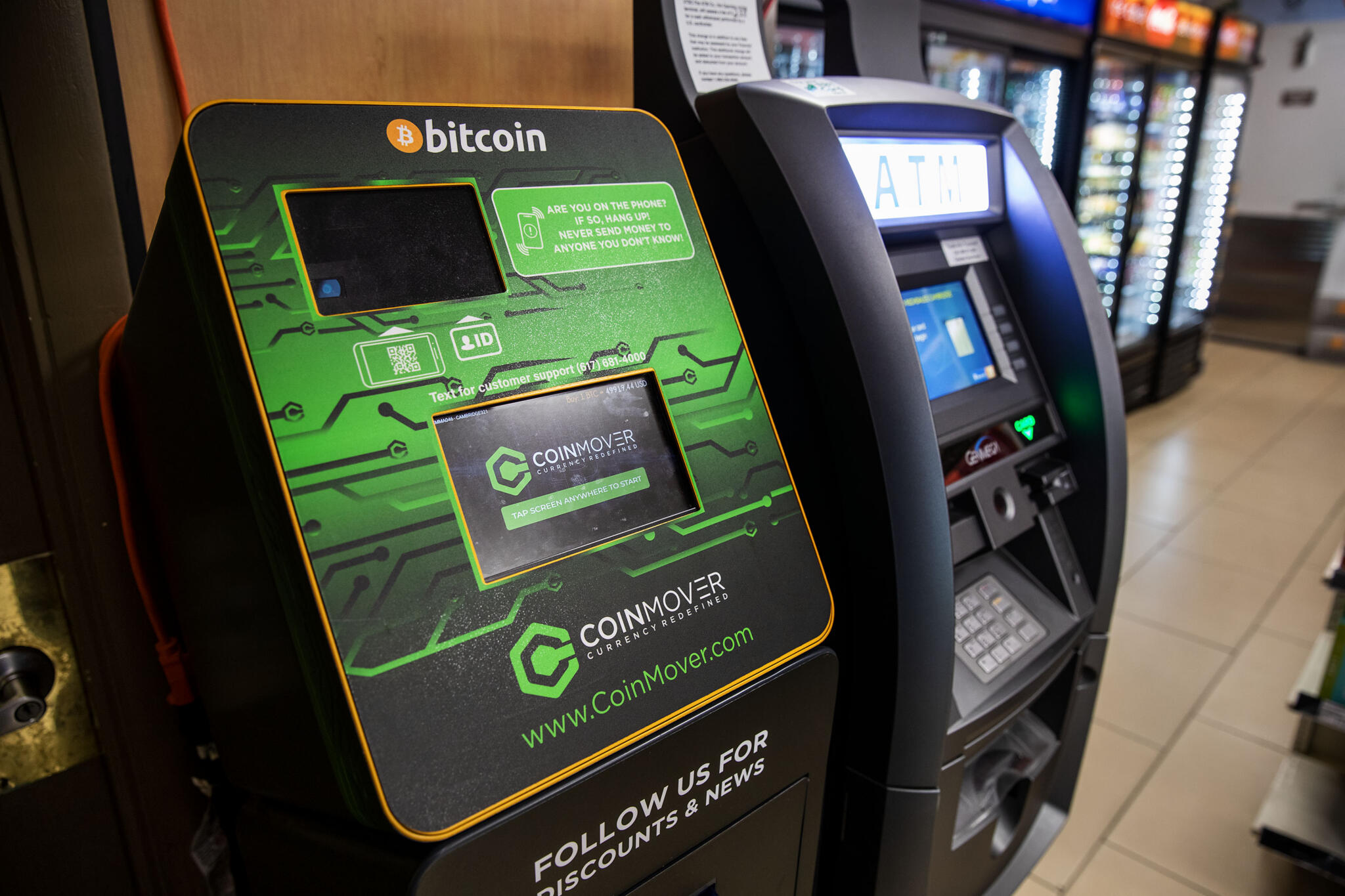
Many states and cities are now moving to ban cryptocurrency kiosks because of a rise in financial scams. Local leaders want to stop these machines from being used by criminals to steal money from residents. These new rules could change how people access digital coins in their own neighborhoods.
Why are officials banning cryptocurrency kiosks?
Government leaders are worried that these machines make it too easy for scammers to take money. Criminals often tell people to go to a nearby store and put cash into a kiosk to "save" their bank accounts. Once the money is sent through the machine, it is almost impossible for the victim to get it back. This type of fraud has become very common in many small towns and big cities across the country.
By removing the machines, officials hope to cut off a major tool that scammers use every day. Many of these kiosks are located in gas stations or convenience stores where anyone can find them. Removing them makes it harder for a person to act quickly on a scammer's instructions. This slow-down gives victims more time to think and realize they are being tricked before they lose their life savings.
How does local government in the United States work?
In many cases, the decision to ban these machines happens at a very local level. A city council or a county board might decide that the risks to their citizens are higher than the benefits of having the machines. You can learn more about how local government in the United States handles these types of public safety issues. These leaders have the power to create rules about what kinds of businesses can operate in their specific area.
State governments are also looking at the problem to see if they need to pass laws for everyone. When a state passes a law, it covers every city within its borders, making the rules the same for everyone. This helps prevent a situation where a scammer just moves their machine to the next town over. Working together, both state and local leaders are trying to create a shield against high-tech theft.
What does this mean for ordinary people?
For most people, these bans mean they will have to find other ways to buy or sell digital money. Instead of using a physical machine, they might have to use an app on their phone or a website on their computer. While this might be less convenient for some, it is often much safer. Apps usually have more security checks than a simple kiosk sitting in the back of a grocery store.
- Scammers will have a harder time finding easy ways to collect cash from victims.
- People will need to learn how to use online exchanges instead of physical machines.
- Store owners may lose the extra money they made from hosting these kiosks.
- Local police may see a drop in reports of certain types of financial fraud.
What will happen next with crypto kiosks?
We should expect to see more cities joined this movement in the coming months. As news of the bans spreads, other leaders will look at the crime rates in their own towns. If they see that many people are losing money to kiosk scams, they will likely follow the same path. This could lead to a future where these machines are very rare in the United States.
Lawmakers are also talking about better ways to educate the public about how scams work. Banning the machines is a big step, but teaching people to spot a lie is also very important. Until the scams stop, the fight over where these machines can be placed will continue. Watch your local news to see if your city council is planning to vote on a ban soon.


Comments
Post a Comment